Diphtheria

Diphtheria is a deadly infectious disease but is entirely preventable by vaccination.
Throughout history, diphtheria has caused devastating epidemics across the globe. Children are typically the most at risk.
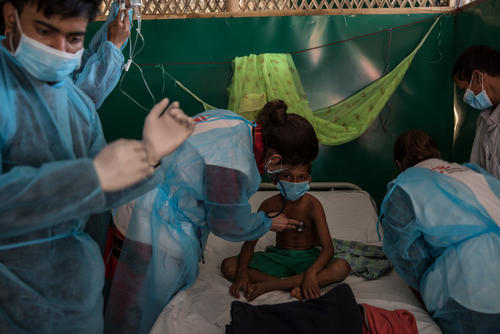
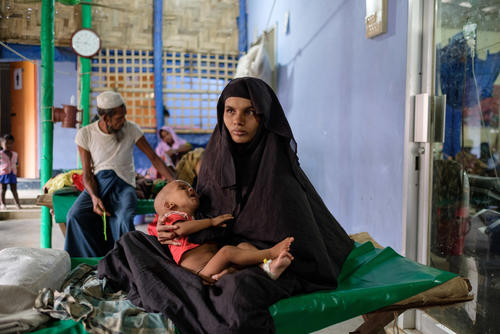
Cases have been recorded as a result of the war in Yemen, Rohingya refugees fleeing Myanmar, and low vaccination rates and limited access to healthcare in Chad and Nigeria.
The contagious bacterial infection mainly affects the nose and throat, and sometimes the skin.
Diphtheria is caught through contact with an infected person through droplets from their respiratory tract—it is particularly spread by coughing or sneezing.
Help us prepare for the next emergency
Diphtheria: Key facts

30%
OF DIPHTHERIA CASES CAN BE FATAL

IMMUNISATION
IS THE BEST PROTECTION

14 DAYS
ANTIBIOTIC TREATMENT NEEDED TO REDUCE TRANSMISSION
Symptoms of diphtheria
When the bacteria that cause diphtheria enter and attach to the lining of the respiratory system, they produce a poison (toxin) that can cause:
- Weakness
- Sore throat
- Fever
- Swollen glands in the neck
The poison destroys healthy tissues in the respiratory system. Within two to three days, the dead tissue forms a sticky grey coating that can build up in the throat or nose, making it very hard to breathe and swallow.
The poison may also get into the bloodstream and cause damage to the heart, kidneys, and nerves.
Treating diphtheria
Patients with diphtheria need to receive:
- Monitoring and isolation. The sooner they receive treatment, the higher the chance of their recovery.
- Antibiotics to eliminate the bacteria from the throat and an infusion of antitoxins to neutralise the circulating toxin and avoid complications.
- A full course of immunisation during the recovery phase – having had diphtheria does not give automatic protection against it.
The diphtheria anti-toxin is the primary means of reducing mortality and the risk of other diphtheria-caused complications, such as myocarditis (damage to the heart muscle) and neuropathies (nerve damage).
How do you stop it spreading?
Antibiotic treatment for 14 days helps reduce transmission.
It is also crucial that people who were in close contact with the patient receive antibiotics for prevention and potentially the vaccine. This will prevent them from developing the disease and halt transmission, and therefore help stop the outbreak.
What is MSF doing to help prevent diphtheria?
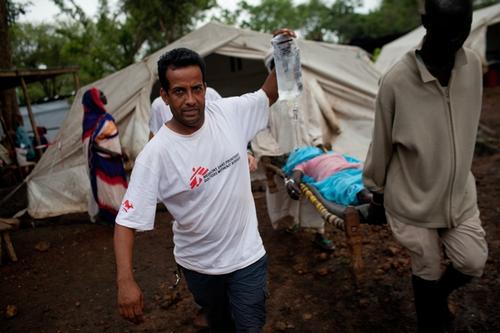
Médecins Sans Frontières (MSF) / Doctors without Borders is providing both inpatient and outpatient care and containing further outbreaks through vaccination campaigns in countries including Chad, Nigeria, Somalia and Sudan.
We have set up dedicated isolation and treatment centres in Nigeria, where we provided patient care and trained local healthcare workers.
Previously in 2018, MSF teams conducted 412,300 routine vaccinations, including DTP, which protects against diphtheria, worldwide. We also treated more than 7,000 people for diphtheria in response to the Rohingya refugee crisis in 2019.
History of diphtheria
Vaccines preventing diphtheria became available in the late 1940s in Europe and North America. But prior to the successful vaccination programme, diphtheria was very common and one of the leading causes of death in children.
Toxigenic strains of diphtheria still circulate in all regions of the world, and the disease can re-emerge if a population’s overall protection decreases, as was the case in Eastern Europe in the 1990s.
Spotlight: Rohingya refugees in Bangladesh
Diphtheria: News and stories