Eight ways you helped us save lives
MSF in 2025
MSF teams are working in unimaginably challenging conditions to deliver crucial medical care. Thanks to your support, we're able to move fast in response to rapidly-evolving crises and be there for people who continue to suffer long after the headlines stop.
Looking back at 2025, I see both monumental challenges and reasons for hope.
The devastation of the genocide in Gaza has pushed the humanitarian system, and the law that upholds it, to the limit. What our teams have witnessed in shelled hospitals and health facilities across the Strip has been beyond what any of our staff have experienced before. More than indiscriminate, the inhumanity has been orchestrated, with aid itself becoming a weapon of war.
As I write, more than 70,000 Palestinians have been killed since the horrifying events in Israel on 7 October 2023, including many since the latest ceasefire was declared. Fifteen of our own colleagues are counted among the dead. And yet, I continue to be awestruck by the dedication of our staff, working under extreme pressure, at times facing starvation, always striving to preserve life in Gaza.
Words equally fail to capture the scale of the crisis in Sudan. Atrocities continue unabated, particularly in the cities of Darfur, where men, women and children have been besieged, starved, and massacred. More than 30 million people are now in need of basic assistance, including 12 million who have been forced from their homes. In Darfur, and across Sudan, our teams work tirelessly to provide medical care to the sick and injured, as violence and disease spread with equal ferocity.
Early in the year, the US Government announced plans to dismantle USAID – the world’s largest supplier of aid – followed in February by the UK cutting its own aid budget to the lowest level seen in decades. At a time of multiple acute crises and huge geopolitical instability, these short-sighted decisions are already directly affecting healthcare programmes worldwide. They are predicted to cost a staggering 14 million lives by 2030.
MSF does not rely on such government funding. Instead, we can operate with true independence. But the need for our work will now become greater than ever as preventable crises escalate in a world that is seemingly turning its back on international solidarity.
That vital independence does not come from nowhere – it comes from you. It is only with your backing that we can save lives. Every pound raised, ticket sold and mile run in support of MSF... it makes the most incredible difference for our staff and patients.
From Gaza to Sudan, the Democratic Republic of Congo to Ukraine, there are people you may never meet, in a place you may never visit, who are only alive and healthy because of what you have given.
From all of us at MSF UK, and on behalf of our colleagues around the world, I want to say a very sincere thank you. I wish you a safe, warm and welcoming festive break.
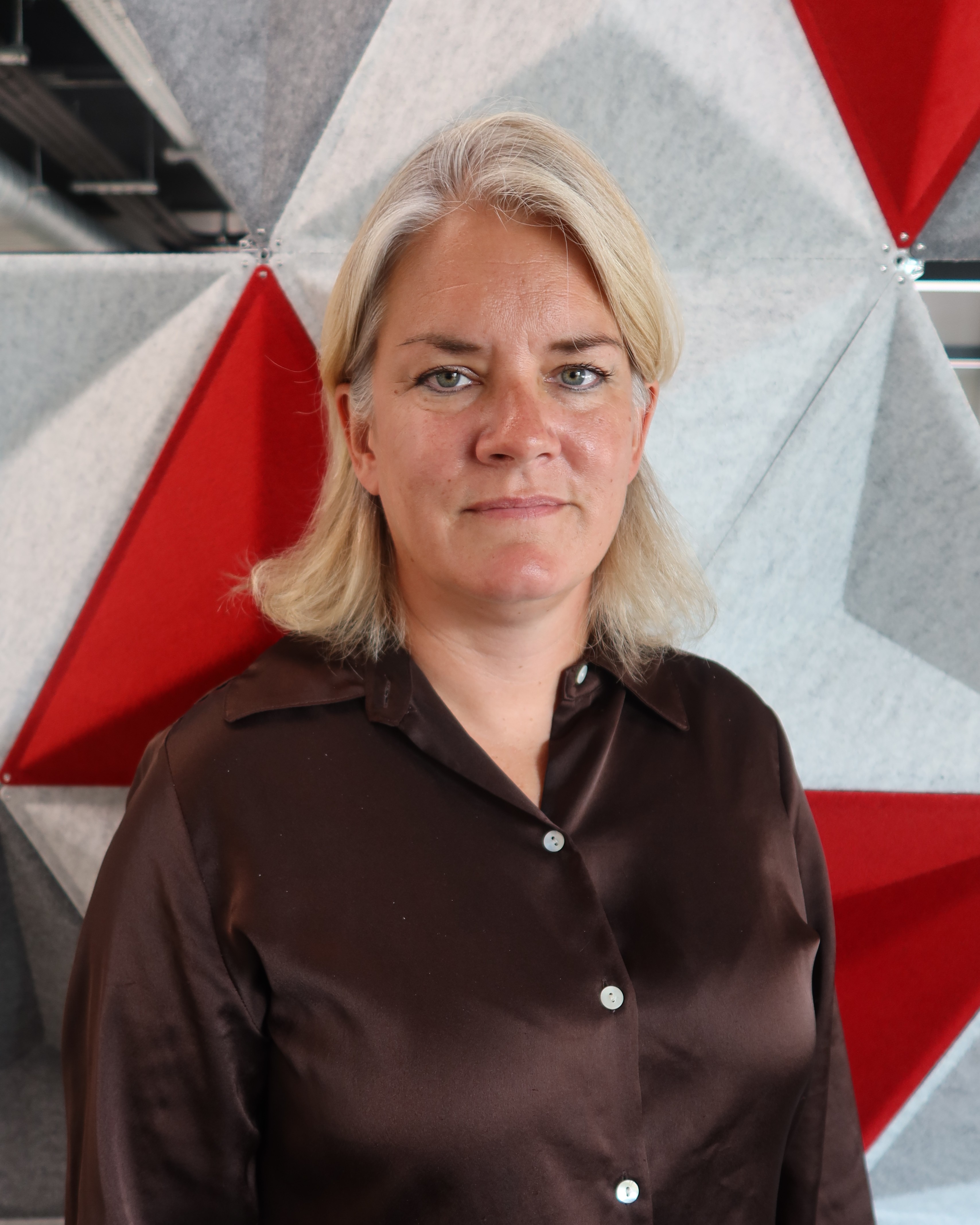
Dr Natalie Roberts | MSF UK Executive Director

1 | Bringing healthcare to Gaza
Few humanitarian events have been experienced like Israel’s war on Gaza. The astonishing situation faced by civilians has been broadcast around the world and filled social media feeds for more than two years in an unrelenting stream of suffering.
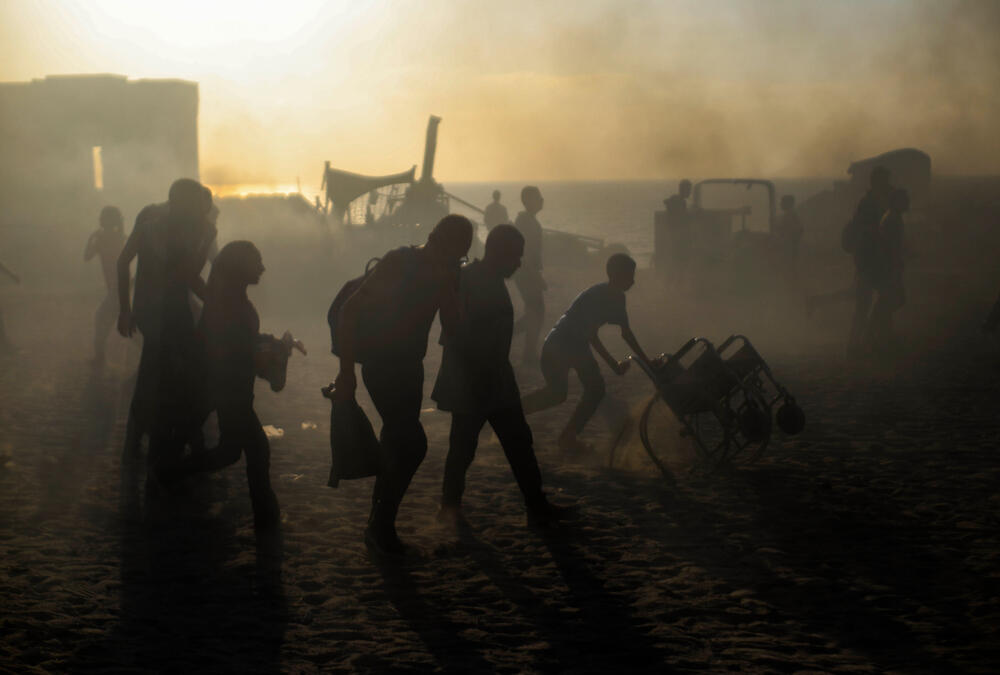
For those inside the Strip, the violence evolved in 2025 with the clear weaponisation of aid. We witnessed the establishment of the Gaza Humanitarian Fund - an Israeli-US-backed proxy - that has seen more than 900 civilians shot during its food distributions. Meanwhile, mass starvation has gripped the entire population, causing death and driving disease. With supplies low and aid blockaded, MSF teams were not immune - many lived and worked with extreme hunger.
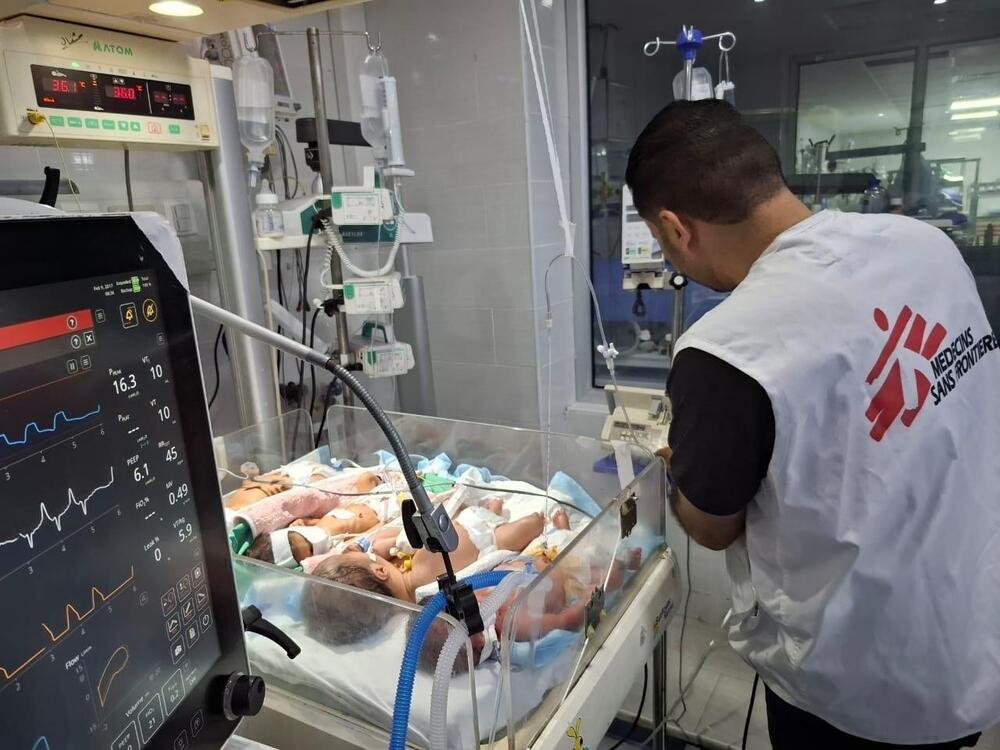
MSF teams in Gaza have now carried out over 1.4 million consultations, performed more than 20,000 surgeries and assisted in almost another 20,000 births. And, despite the ceasefire that came into effect on 10 October, we have continued to see civilians killed and injured, and no let-up in the vast medical needs of Palestinians.
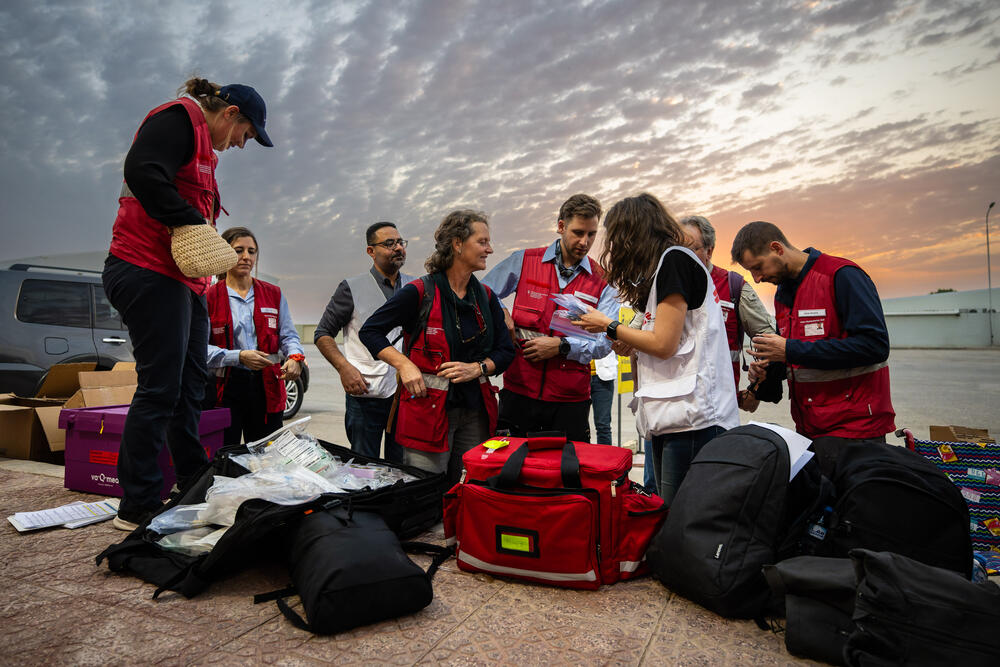
This year, MSF declared the events in Gaza to be a genocide, citing Israel’s campaign of ethnic cleansing. MSF called on world leaders to act, while in the UK, we also launched a national campaign to draw attention to the UK Government’s complicity in the genocide. And, in recent weeks, we pushed the UK to facilitate further medical evacuations of some of the 18,500 people waiting for urgent care in safe countries.
2 | Saving lives in Sudan
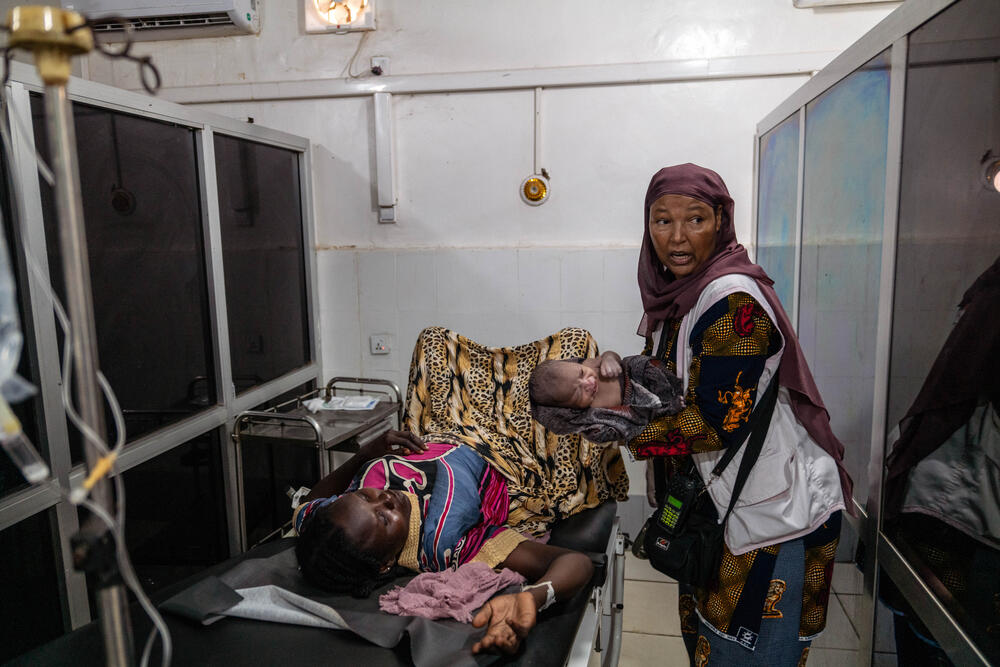
As the war in Sudan entered its second year in 2025, people continued to be bombed, besieged, displaced and deprived of food, medical care and basic life-saving services.
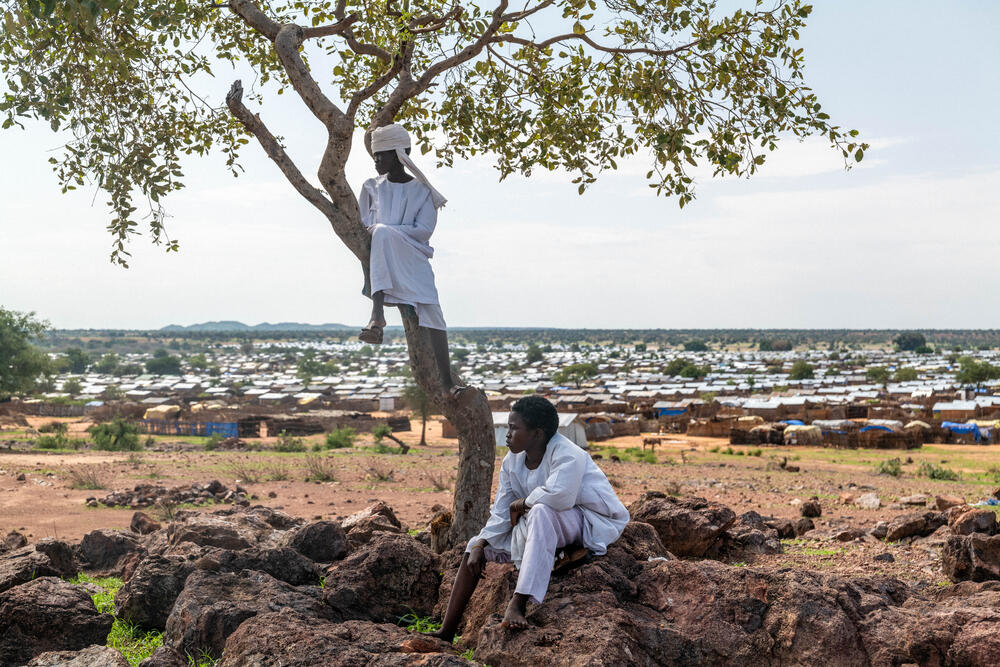
In April, the Rapid Support Forces (RSF) and their allied armed groups attacked Zamzam, Sudan’s largest displacement camp. The majority of the camp’s 500,000 residents were believed to have fled to the nearby city of El Fasher. However, in May, fighting intensified in the city itself, which has since become an epicentre for atrocities, with an alarming trend of ethnically-motivated attacks. Finally, after months of siege, El Fasher was captured by RSF in October. The resulting mass killings have shocked the world.
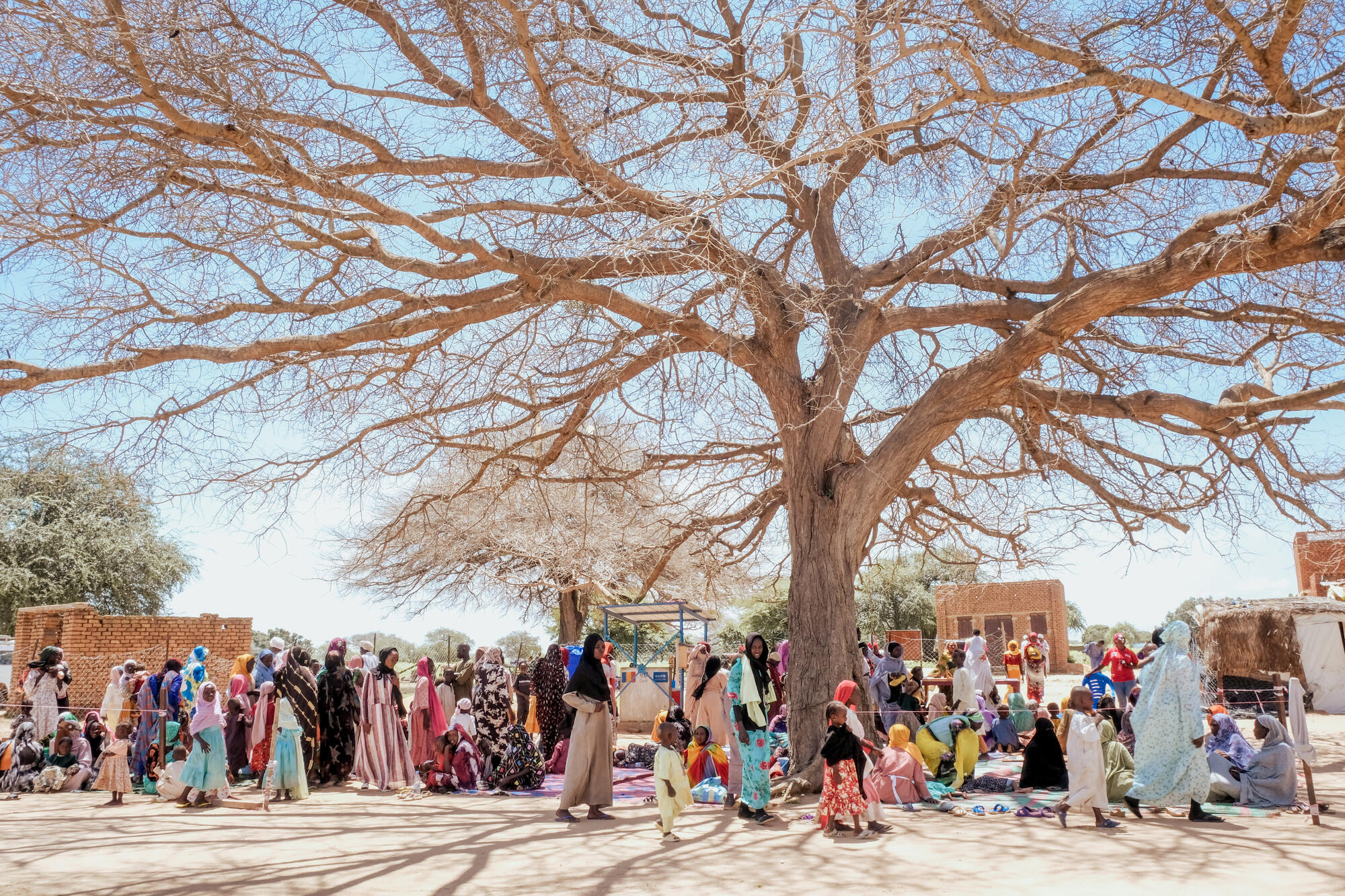
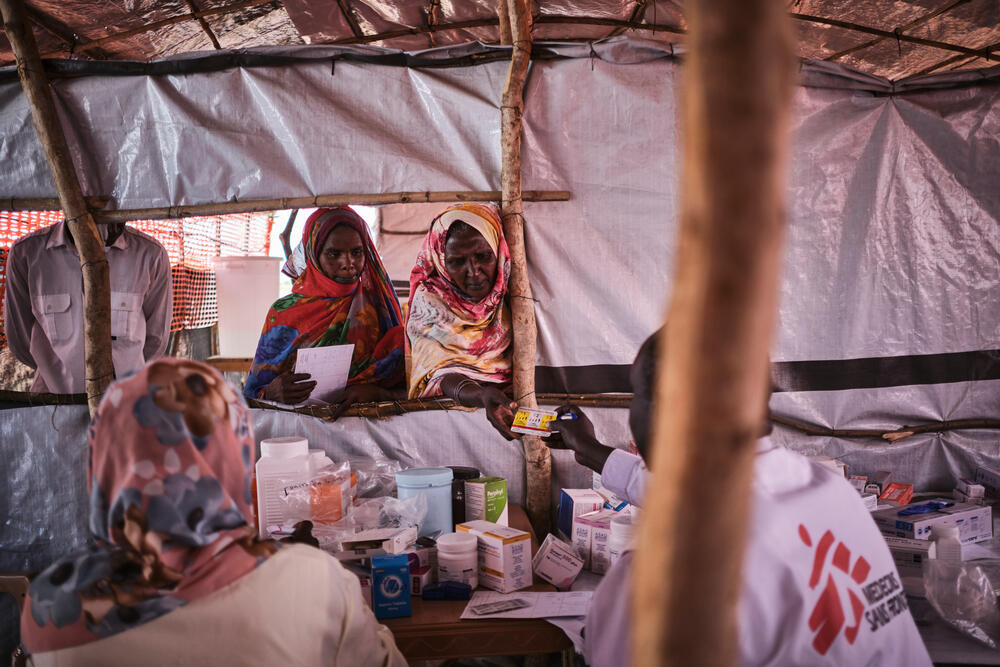
MSF has responded to the crisis by providing urgent care to people fleeing to the nearby town of Tawila. In Tawila Hospital, our teams reported huge increases in patients suffering physical violence and malnutrition.
Across the country, MSF teams, most of whom are Sudanese, continue to deliver vital healthcare in many places which have been abandoned by the international community. Elsewhere, our advocacy teams, including those in the UK, continue to raise awareness and campaign for life-saving action in Sudan.
3 | Calling out global aid cuts
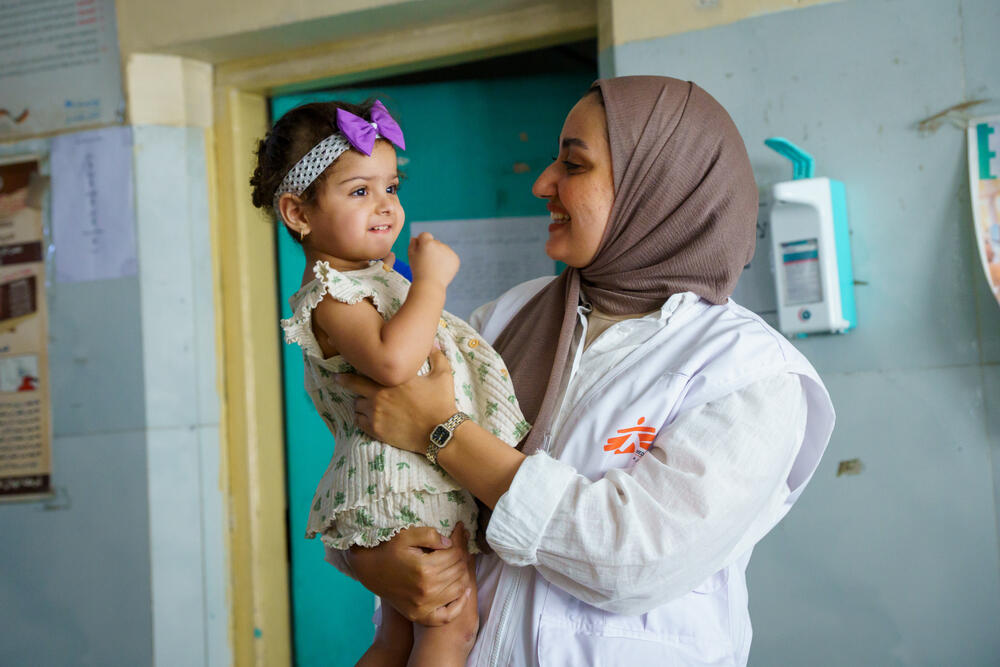
Despite humanitarian crises across headlines and social media feeds, 2025 saw the shutdown of USAID, the world’s largest provider of aid, followed by the slashing of the UK’s ‘foreign aid’ budget. These shock decisions immediately began impacting vital healthcare programmes worldwide - from HIV services to maternity care and childhood vaccinations - as well as hindering already frustrated humanitarian efforts in places like Gaza and Sudan. In July, leading medical journal The Lancet predicted that the USAID cuts alone could kill 14 million people in the next five years.
MSF joined organisations worldwide to speak out in one voice against the impact of these devastating cuts. Here in the UK, we launched a campaign demanding the Government reverse the decision and not abandon those living through conflict, disaster and disease. Thousands of MSF supporters took part, sending letters to MPs across the country, while experienced MSF staff provided evidence to Parliament to help fight the cuts.
4 | Responding rapidly to natural disasters
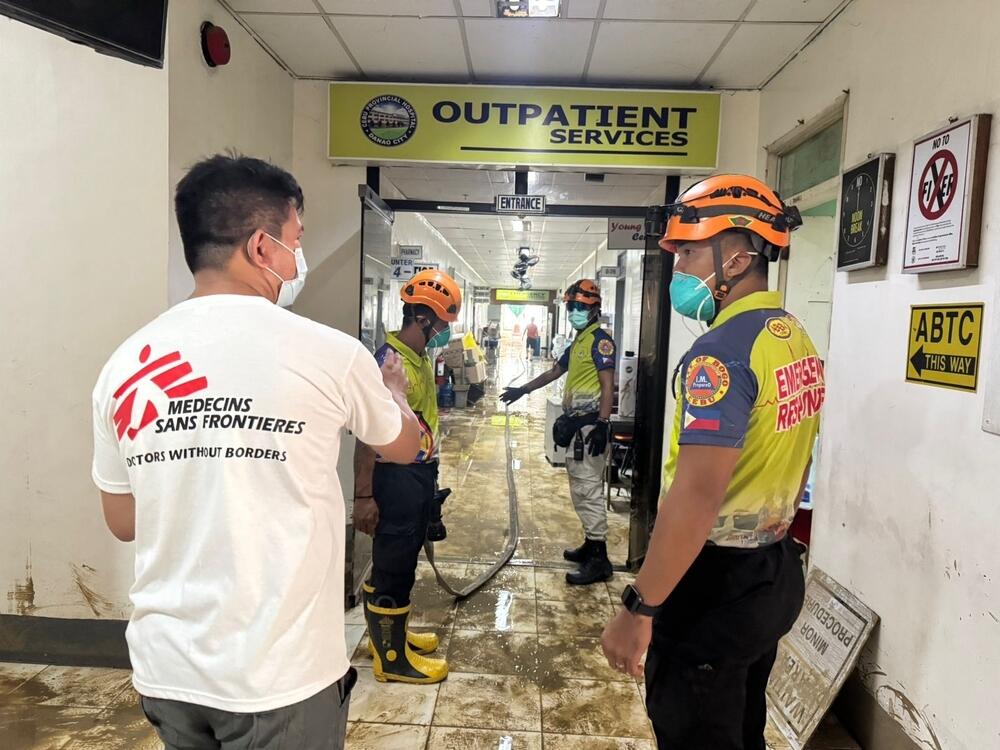
In 2025, hurricanes, cyclones, floods and earthquakes devastated lives around the world. Communities - many that were already vulnerable - have suffered death, injury, damage to infrastructure, and the risk of infectious disease outbreaks that often follow in the wake of such disasters. While these destructive events may occur in moments, the humanitarian consequences last much longer.
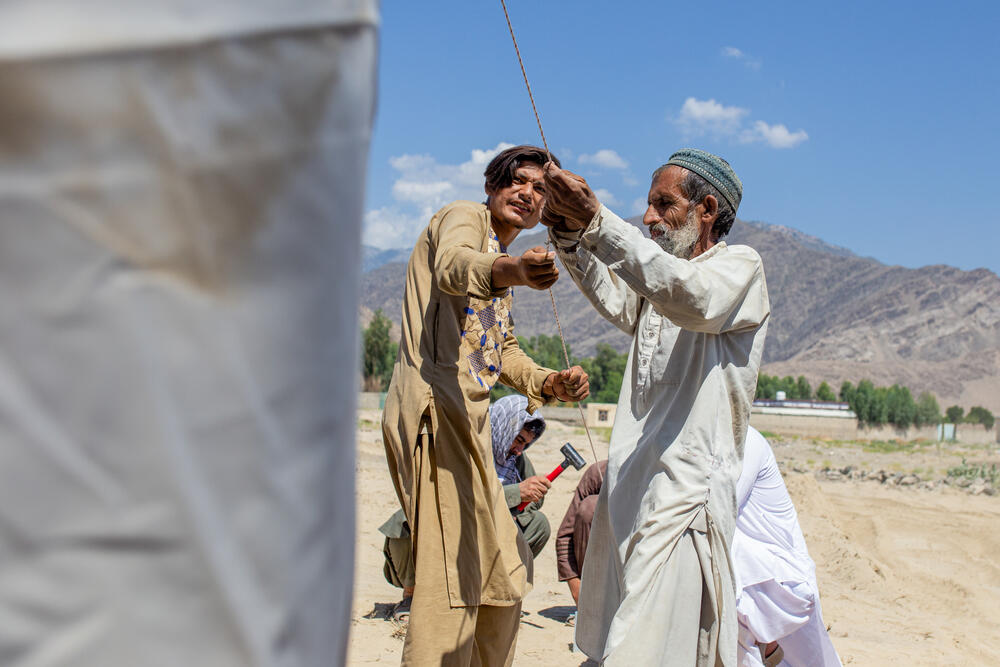
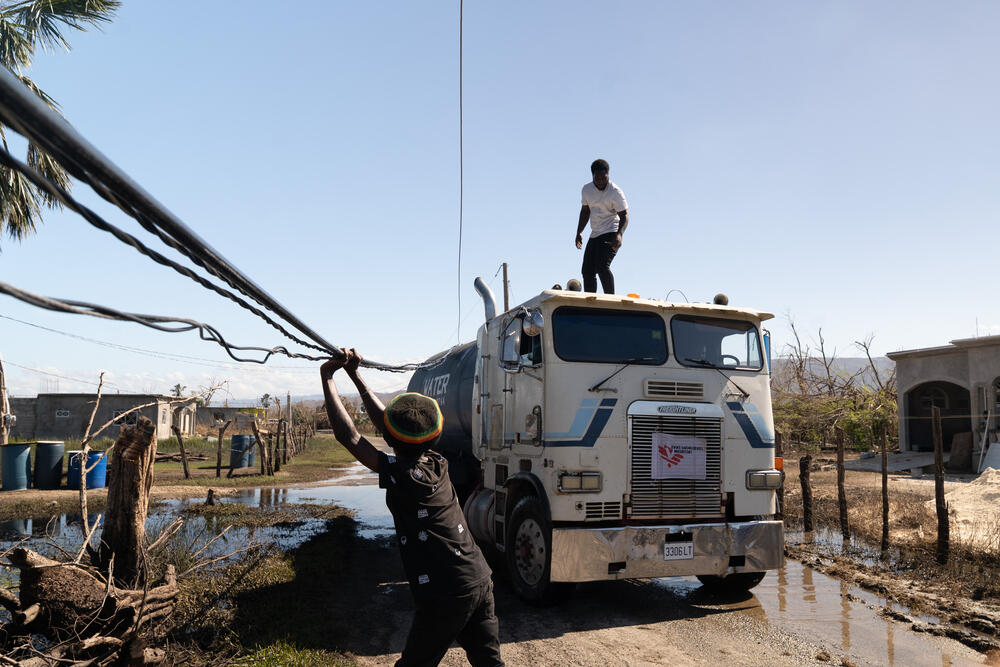
MSF teams have been responding to natural disasters since 1971. We have the expert staff and the robust supply networks that make the critical difference. This year, our teams have taken life-saving emergency action from Jamaica to Afghanistan, Myanmar to the Philippines. Whether they’re providing urgent medical aid to crush victims, supporting water and sanitation work, or addressing mental health needs, our teams have responded quickly to allow communities to recover.
5 | Reaching people cut-off from care in Syria
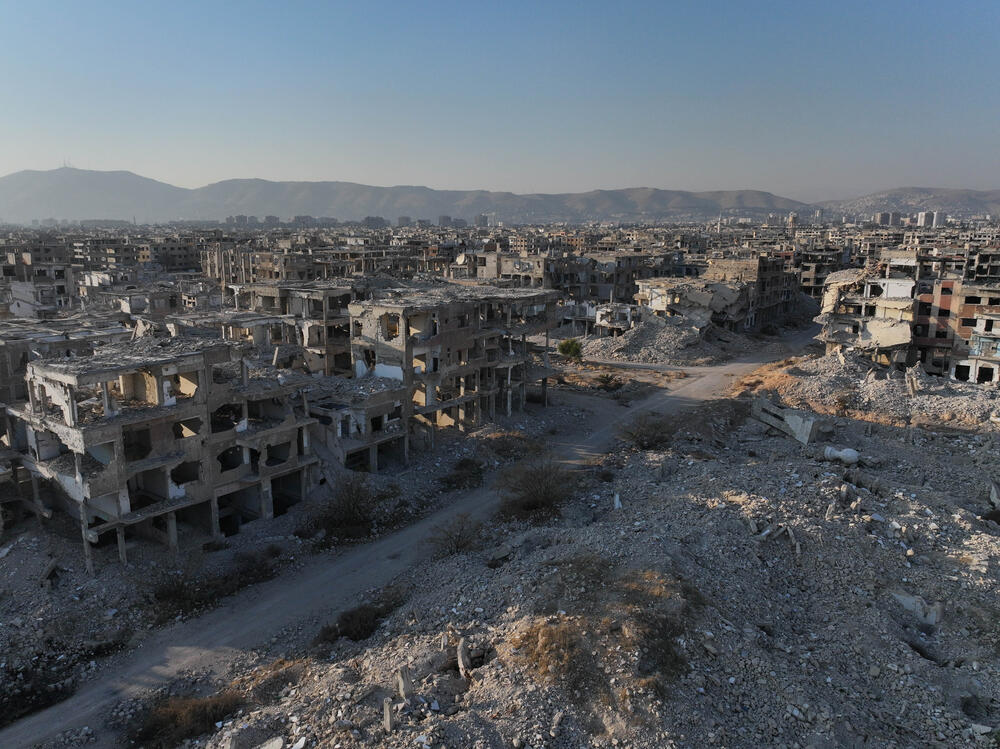
For many people, Syria has become a byword for the devastation that can be wrought on a country by civil war. More than a decade of violence has taken a heavy toll. Essential infrastructure has been destroyed, and many Syrians have been plunged into poverty, with very limited access to essential services like medical care. Humanitarian aid has often struggled to reach the worst-affected areas.
But, in late 2024, the government of former Syrian leader Bashar Al al-Assad fell. More than a million refugees have since returned from countries like Türkiye, Lebanon and Jordan, and nearly two million internally displaced Syrians have gone back to their areas of origin.
This meant that as 2025 arrived, MSF teams were able to travel to areas that had previously been cut off from healthcare. In places such as Eastern Gouta near Damascus, our teams rapidly set up mobile clinics to provide essential treatment for chronic conditions such as diabetes, hypertension, and other cardiovascular diseases. Emergency teams also set up new projects in the eastern state of Deir Ez-Zor providing urgent maternal and child healthcare.
6 | Treating people affected by violence in Democratic Republic of Congo
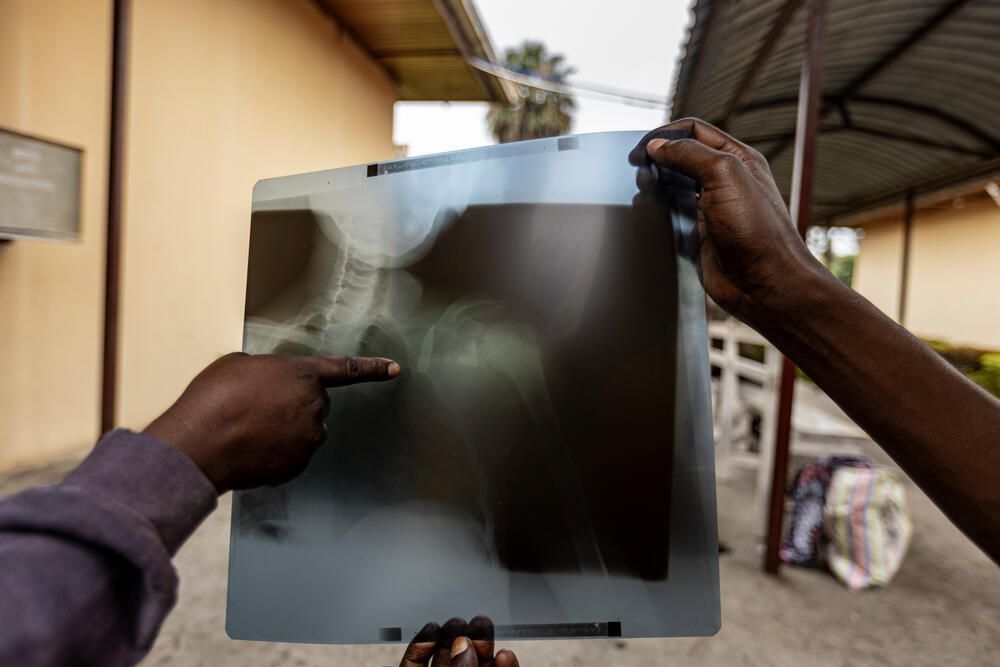
Beginning in December 2024, the decades-long instability in the east of the Democratic Republic of Congo (DRC) escalated as the armed group M23 took control of towns and cities in a rapid advance. By February of this year, more than 400,000 people had already fled the clashes, many heading for shelter in sites already hosting more than 600,000. The scale of movement was massive, with a critical need for food, water, and healthcare for civilians wounded in the violence.
MSF dispatched mobile medical teams to reach people fleeing along the crowded routes, while our hospital in Masisi came under fire as it sheltered 10,000 people. Sadly, MSF staff have been killed in the violence this year. Elsewhere, in September, an Ebola outbreak was declared in a remote region of the south. MSF rapidly mobilised to set up a specialist treatment centres and contain the virus.
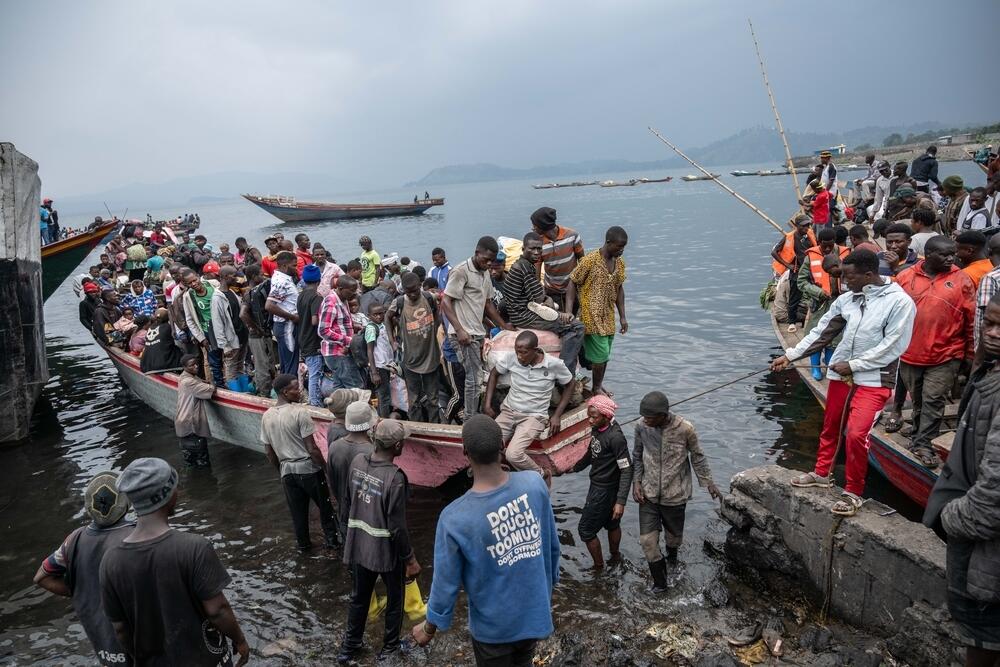
7 | Showing solidarity with people on the move
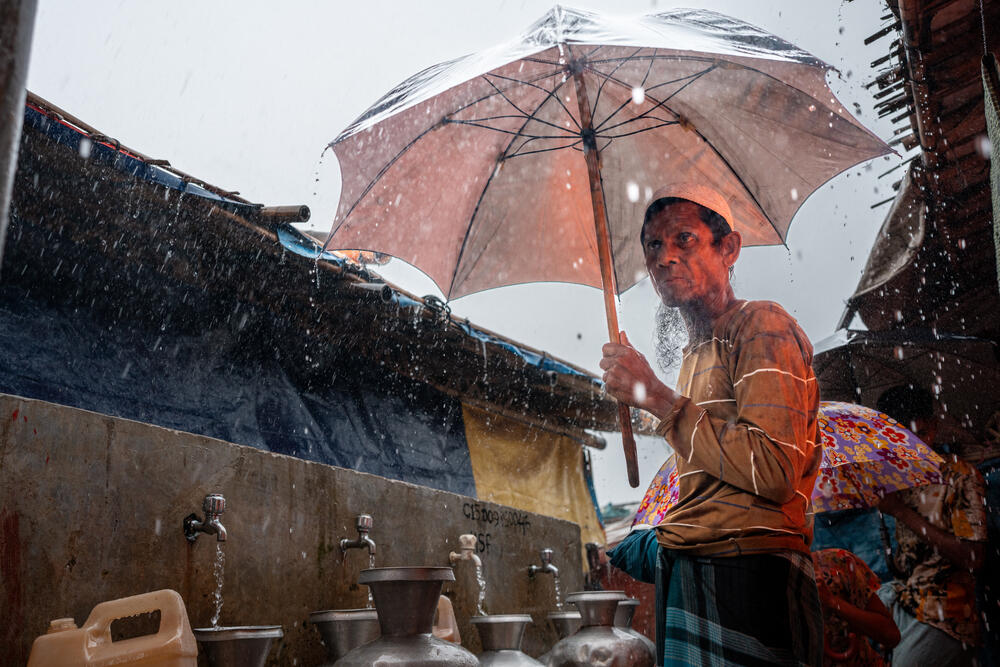
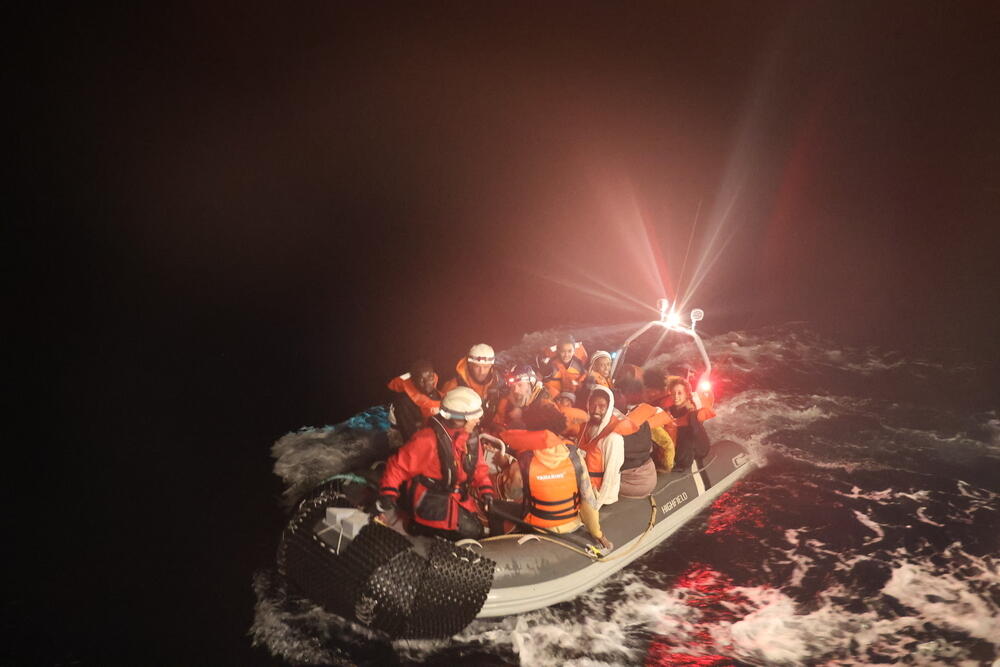
Right now, more than 117 million people are forced from their homes - one in every 70 people alive. The crisis in Sudan alone accounts for a staggering 11 million, while the Rohingya camps in Bangladesh remain the largest refugee sites on Earth, eight years on from the exodus of 2017. However, from the US-Mexico border to the EU’s frontier, humans are seeking safety, only to become caught in preventable healthcare crises that are so often driven by dangerous deterrence policies and political inaction. The UK is no exception.
From high-profile humanitarian events to overlooked crises that play out far from the cameras, reaching displaced people has and always will be fundamental to MSF’s life-saving mission. Despite the language of migration being louder than ever in 2025, MSF remains neutral and impartial, committed to our principles of treating people based on medical need alone, whoever they are, wherever they are from.
8| Bearing witness to attacks on healthcare
Last year was the most deadly year on record for aid workers, and by August of this year, 2025, was already following the same bleak trend.
Targeting hospitals and healthcare workers violates international law and strikes at the heart of humanity. But in places such as Gaza, Sudan, the DRC, and Myanmar, healthcare and healthcare workers have been attacked. In October, we mourned the death of MSF physiotherapist Abed El Hameed Qaradaya, our fifteenth colleague killed in Gaza by Israeli forces since 7 October 2023.
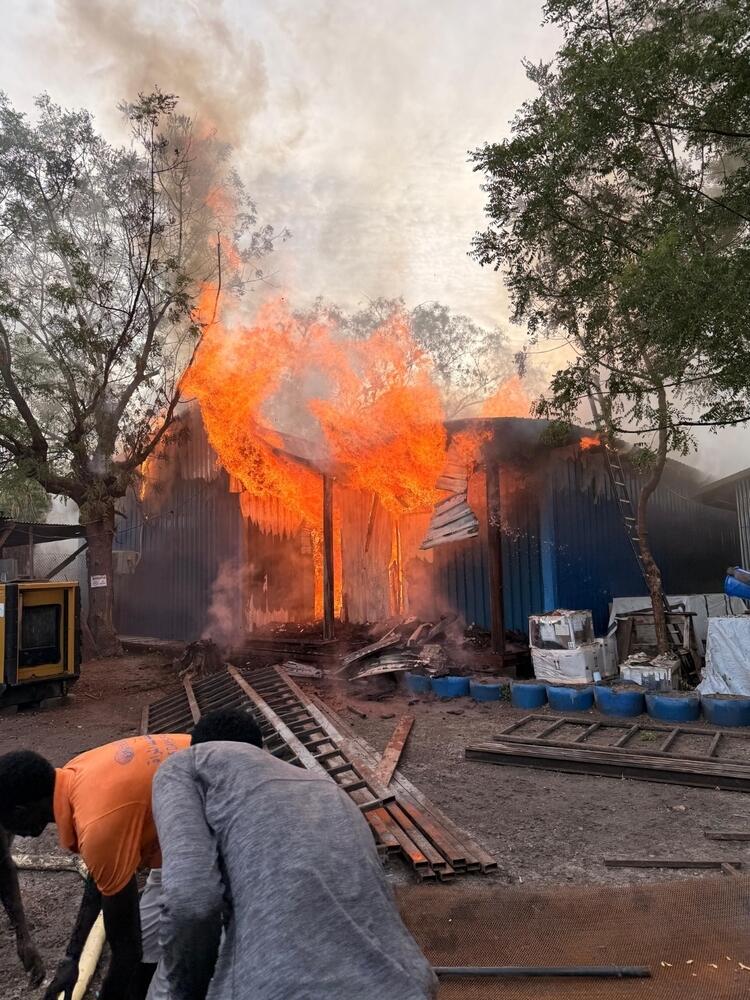
In May, MSF’s hospital in Old Fangak, South Sudan, was bombed. Our medical colleague David Charo Kahindi shared his eye-witness testimony: “At first I thought there was a chance that we could save some of the medications that were inside, but it quickly became clear that whoever bombed the hospital wanted this pharmacy and all the medications inside it to be completely burned…”
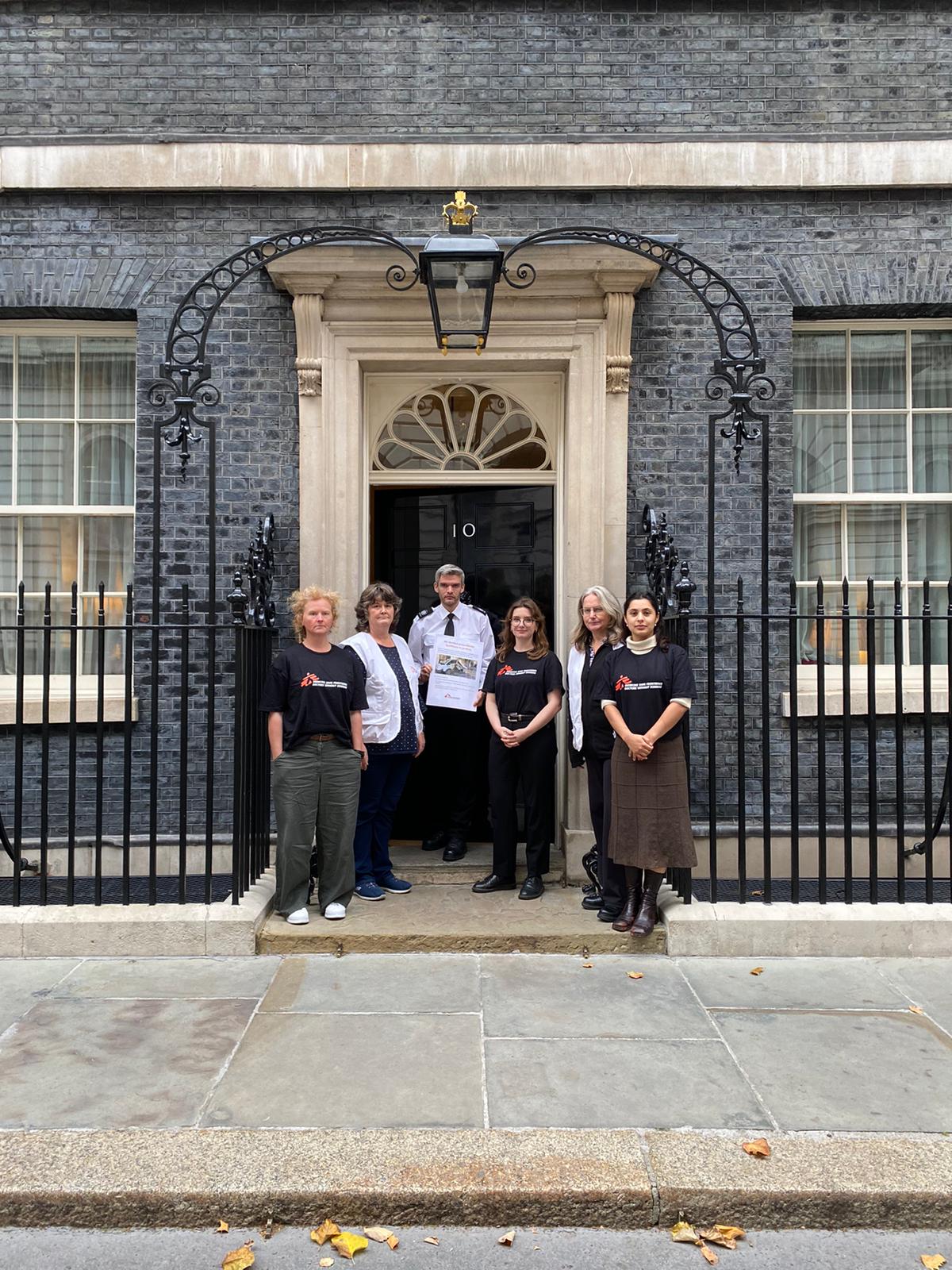
This year, we called on the UK Government to stand up for the protection of healthcare and uphold the principles of international law. Over 36,000 of you have signed our petition, which we presented at Downing Street in November.