Gaza: “The situation is inhumane”

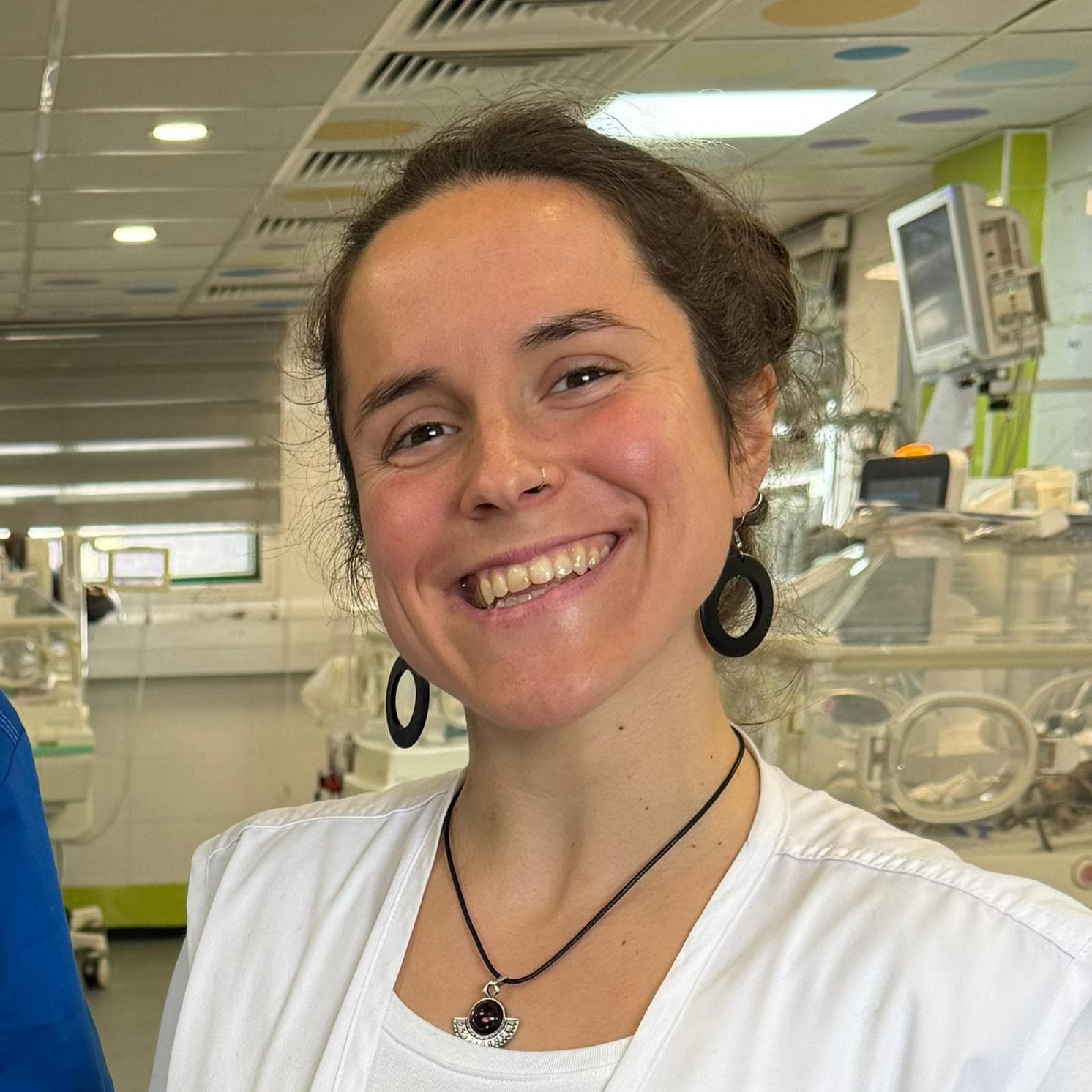
Rocío Simón Martínez was among the last international MSF staff to leave Gaza following the decision of the Israeli authorities to deregister over 30 NGOs from operating in the Occupied Palestinian Territory.
Since late February, all MSF international staff have been forced to leave. But MSF remains committed to providing assistance in Palestine for as long as possible with our Palestinian staff.
“My first time in Gaza was in 2024. I returned in November 2025 and stayed for almost four months, until 26 February, when all international staff from NGOs affected by deregistration were required to leave.
I extended my stay when we learned that international replacements would not be allowed in by Israel. As nursing manager for the south of Gaza, I visited and oversaw several facilities in the south and also travelled to the north to oversee one of the hospitals we support there, Al-Helou, as well as the clinic in Al-Zeytoun area of Gaza City.
Even during what’s been called a ceasefire, it has never truly felt like the fire has stopped. Drones are constantly overhead. You could hear airstrikes every day. The number of mass casualties may have decreased compared to before the agreement, but violence never disappeared.
Medical care where it's needed most
Help us care for people caught in the world's worst healthcare crises.
What I saw this time was even more destruction. The health system is devastated. Fewer buildings standing. More tents. More families displaced and squeezed into ever-shrinking areas. The situation is inhumane, and every day we see the medical consequences for people in Gaza due to the conditions they are forced to live in.
We see respiratory infections: pneumonia, bronchiolitis, children exposed to winter cold in makeshift tents without heating. We constantly treat cases of acute gastroenteritis because clean water remains scarce.
“I treated 18 and 19-year-olds who are now paralysed from spinal gunshot injuries”
People queue every day just to collect water, as they have been doing for more than two years. Skin diseases are widespread due to overcrowding and lack of hygiene.
The need for wound care is overwhelming. At one point, we were performing up to 900 dressings per week. Many of these wounds are months old, injuries that never healed properly.
I treated 18 and 19-year-olds who are now paralysed from spinal gunshot injuries, confined to beds, developing pressure ulcers that easily become infected in these living conditions.
We also see many patients with external fixators still attached to their limbs, waiting for surgeries that cannot be performed inside Gaza. Medical evacuations are extremely limited. According to the World Health Organization, 18,500 patients need specialised care that simply does not exist in Gaza, but they are not allowed to leave.

Mohamed
I cannot forget Mohamed, a three-year-old boy with chronic malnutrition and complex medical needs. We treated him with therapeutic milk, and he improved, but once he returned home, his condition deteriorated again.
The last time I saw him, he had lost significant weight because he was refusing the peanut-based product used to treat malnutrition outside the hospital. He is coeliac and has other special dietary needs. He is still waiting for evacuation. Without access to care outside Gaza, children like him may not survive, no matter how much effort we put in.
Our Palestinian staff live through this same reality. They endure the same insecurity, shortages and psychological pressure as everyone else. The threat of attack never disappears.
Our Palestinian colleagues are the ones carrying MSF’s response forward. But supporting them remotely will never be the same as standing beside them—bearing witness to, and supporting those who have kept a devastated health system going after more than two years of relentless work.
As I sat on the bus leaving Gaza, I had a knot in my throat. Every time we return, the destruction is worse. This time, I left wondering what it will look like if we are allowed back, and when.
The future of MSF in Gaza
Since 1 January 2026, MSF has not been able to deliver any supplies into Gaza. Since the end of February, all our international staff have been forced to leave Gaza following Israel’s decision to deregister MSF and 36 other NGOs from operating in Palestine.
This will have catastrophic consequences for people who depend almost entirely on humanitarian assistance - including water, food, healthcare, sanitation, education. The needs are enormous.
Palestinians ask us to speak about what we have seen, about how they are living, about the continuous violence and blockade that shape every aspect of their lives.
That is what I can do now. Speak. And hope that one day MSF - and all the other organisations - will be allowed to work freely, because Palestinians in Gaza desperately need it.”
MSF and the Gaza genocide
Despite the ceasefire agreement which came into effect on 10 October 2025, Israeli forces continue to kill and injure Palestinians - including children - with drones, airstrikes and shootings.
An agreement does not undo the immense suffering experienced by so many. Two years of catastrophic violence have left deep scars. More than 70,000 people have lost their lives during this genocide, including 15 of our own MSF colleagues.