Explained: Why MSF is treating people seeking safety in Birmingham
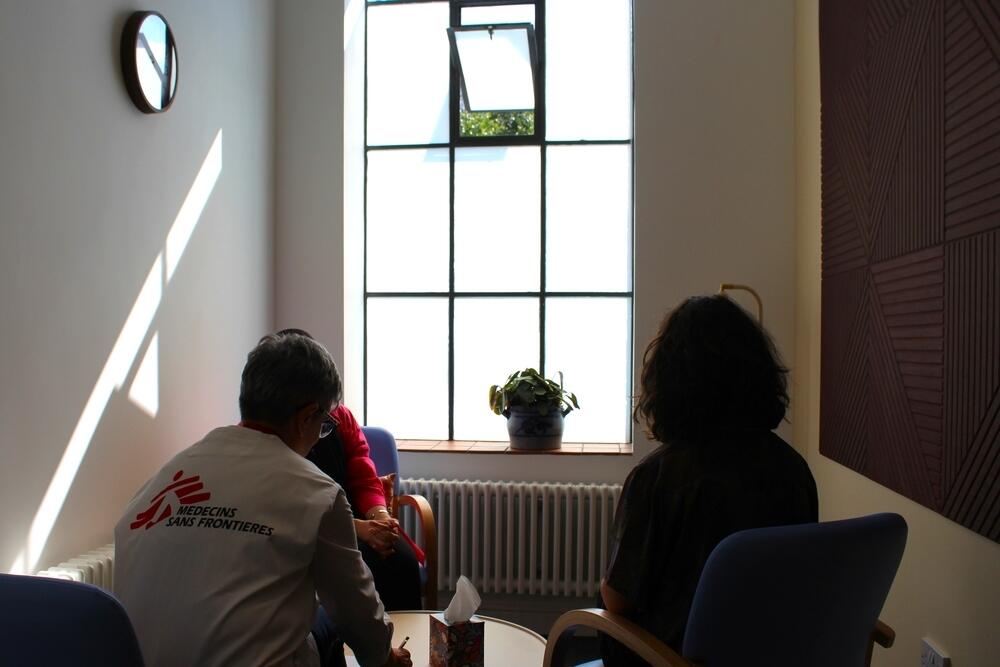
In Birmingham, Médecins Sans Frontières / Doctors Without Borders (MSF) is running a specialist trauma service for people seeking safety and refugees. Rita*, part of the project team, explains why this work is so needed.
The Refugee Convention was adopted 75 years ago this month to enshrine the legal rights and protection of refugees and asylum seekers.
Why is MSF working in the UK?
“All of MSF’s work is based on needs and guided by medical ethics, which means we respond to needs wherever they are. We work in the UK because a high number of people seeking asylum and refugees suffer from trauma and the mental health support is unfortunately not available or not accessible where we operate.
Even though the UK has a well-established health system, many people seeking asylum still have difficulties accessing medical care due to social, administrative and financial barriers.
Most of the people we’ve been working with in the last few months have been referred to us by the NHS, which shows that it doesn’t have the capacity to offer the specialised service that we are offering.
At MSF, we have the expertise to deliver this care based on our extensive experience in migration. We have migration projects in the north of France, Greece, Italy, and in a lot of other places around the world.
Many of the people we treat in the UK come from countries where MSF already works like Sudan, Nigeria and Iraq. We have witnessed the violence and suffering they experienced in their home countries and then along their journeys too.”
How did MSF decide what care to provide?
“When you have to flee conflict zones or starvation, when you spend years travelling in conditions that are completely inhumane, and when you suffer from abuses, the likelihood of developing post-traumatic stress disorder (PTSD) or complex PTSD is high.
In Birmingham, what we’re seeing in our clinic matches UK and international evidence: among people seeking sanctuary and refugees, around 31 percent are experiencing PTSD. This is roughly five times the local population rate.
The medical data we collected from Wethersfield mass containment site in Essex tells the same story, with mental health, predominantly trauma, the leading need among over 300 people seen in in-depth GP appointments. Most described difficulty accessing mental health care.
Our project in Birmingham is one of a number of projects including in Senegal and Mauritania which focus on countries of departure, countries of transit, and then countries of arrival. You can't treat trauma during the transit part as that could actually cause harm because the necessary follow-up isn’t possible. It's crucial that this work is done in the country of arrival, like the UK, where people are safer and not on the move anymore.”
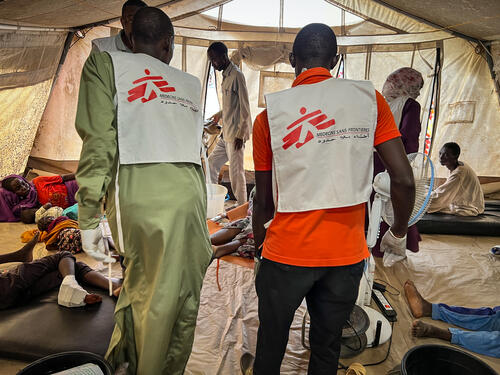
Our work saves lives
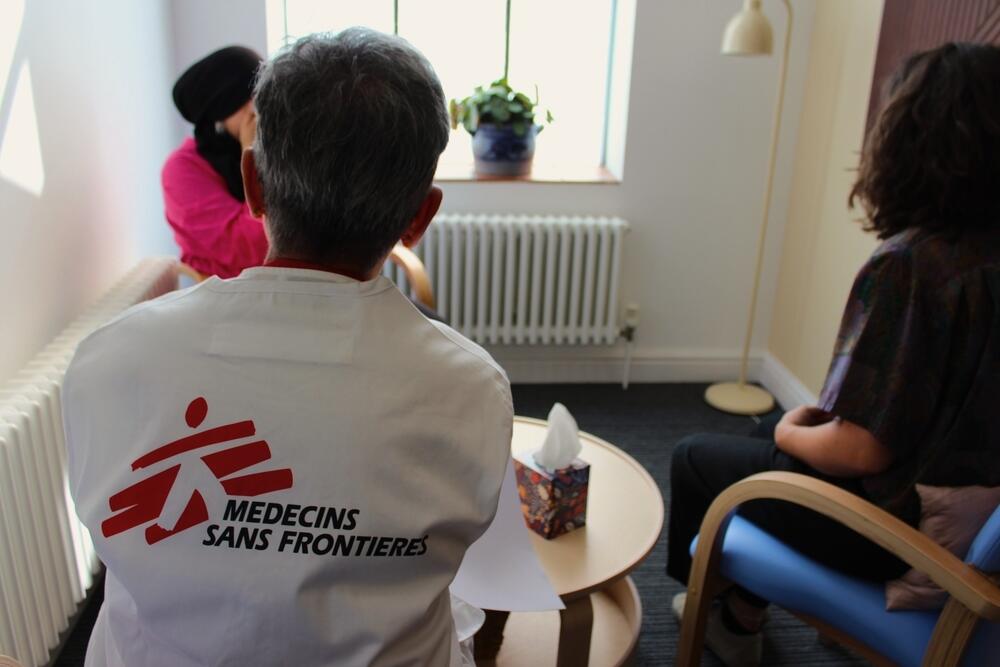
Why is it important to treat PTSD?
“Living with trauma can be extremely debilitating. Symptoms include flashbacks, nightmares and hypervigilance, and the condition is often associated with depression and anxiety. By treating trauma, you are giving someone a chance to heal and have a more normal life.
Many of the people we see in our clinic have experienced several types of abuse or violence, such as torture, sexual violence, human trafficking and unfair detention. So, an important part of what we are doing is helping to restore people’s dignity as well as their mental health.”
“When I was offered the Birmingham position, I had some of these same questions. But now that I've been here for seven months, I’ve seen how huge the needs are.”
How are UK migration policies affecting people who come to the clinic?
“Various policies impact the wellbeing of asylum seekers. For example, they can't work, so they have nothing to do and no money to do anything. If you lived in these conditions for a month, it might be manageable, but some people have been in this system for several years. This has a deep impact on people’s mental health.
When you’re trying to treat mental illness, and specifically trauma, stability is key. But during the asylum process, people are moved from one place to the other, so they never really settle anywhere. This means they don't have the opportunity to create a social network, which is very important for your integration and wellbeing in general. People are living with PTSD while dealing with a lot of uncertainty and separated from their families.”
What do you wish people in the UK understood about asylum?
“People have always moved throughout history. It's a difficult decision to make and we should at least try to understand before judging. We should see these people as people.
Unfortunately, there is a lot of judgement and misinformation about asylum seekers. I’ve heard people say that they are staying in luxury hotels. The word ‘hotel’ makes people think about holidays so they think it must be nice. I've been to several, and the hotels are very basic, with multiple people sharing the same room. Often these are not appropriate for someone living with PTSD.”
Why did you join the project?
“I started with MSF over 10 years ago and have worked in Central African Republic, the Democratic Republic of Congo, South Sudan, Haiti, Syria, Yemen, India, in the search and rescue project in the Mediterranean Sea, and now in Birmingham.
When I was offered the Birmingham position, I had some of these same questions. What are we doing here? What are the needs? How are we doing it? Why are people not going to the NHS?
But now that I've been here for seven months, I’ve seen how huge the needs are. This work is incredibly meaningful to me and we are needed.
It's a new project and we’ve only just started to glimpse the extent of people’s needs. We are only addressing PTSD, but people have a lot of other health issues. We see mental illnesses like depression and anxiety. There are also many survivors of sexual violence and torture.
There is a lot of suffering and there is a lot to do.”
*Name has been changed
MSF and the UK asylum crisis
MSF is responding to the medical consequences of the UK’s harmful asylum system.
Successive governments have continued to implement punitive anti-migration deterrence policies that have caused medical and psychological harm and eroded the protections for people seeking safety.
Across the globe, Médecins Sans Frontières / Doctors Without Borders (MSF) teams have treated the physical and mental health consequences of such inhumane migration policies.
Our concerns are grounded in well-documented negative health impacts, as witnessed by our teams in Libya, Greece, Poland, Bangladesh, France, Mexico, Malaysia and on Nauru.
The UK Government is no exception.